
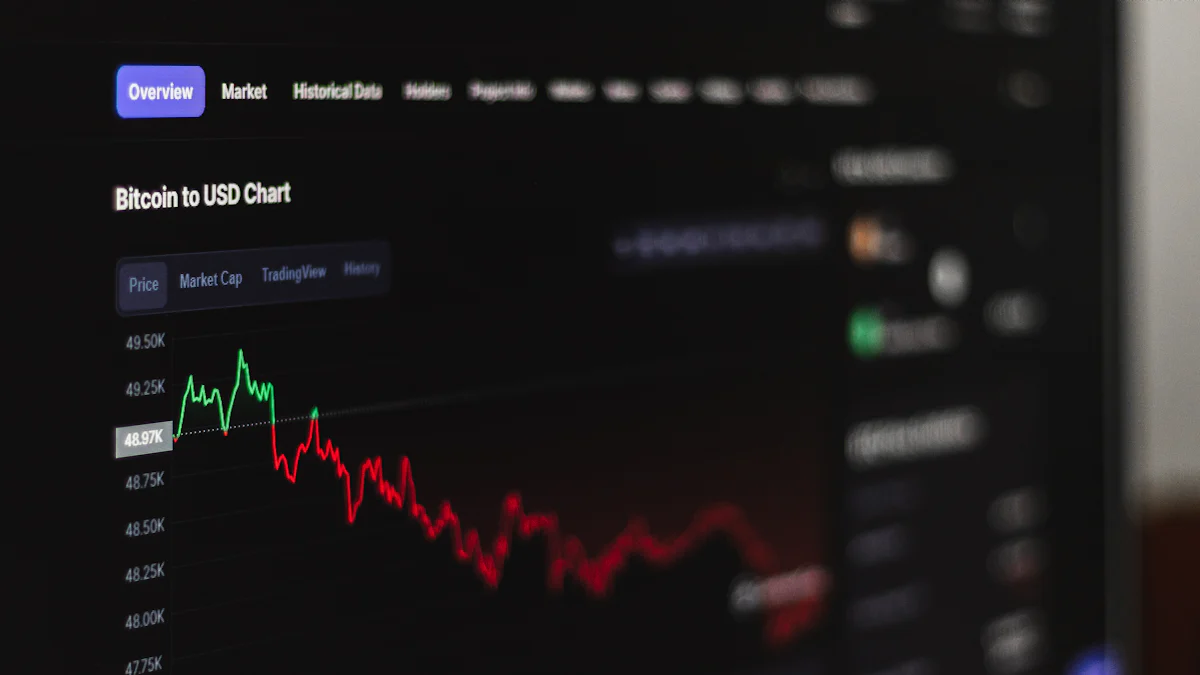
The Forex market represents a dynamic and ever-evolving landscape. The evolution of the Forex market evolved from ancient trade routes to the modern forex market showcases significant milestones. Understanding the state of forex trading sessions proves crucial for traders. These sessions impact volatility, liquidity, and overall trading strategies.
"The right timing can make or break a trade," say experts at leading Forex Brokers.
The blog will explore three pivotal forex trading sessions in history:
The London Session
The New York Session
The Tokyo Session
The London Session
Evolution of Forex Trading
The Evolution of Forex Trading has deep roots in Forex history. The Bretton Woods agreement in 1944 marked a significant milestone. This system established fixed exchange rates, which laid the groundwork for modern trading practices. The collapse of the Bretton Woods system in 1971 led to floating exchange rates, shaping today's market dynamics.
Historical Data
Historical Data reveals that the London Session emerged as a pivotal trading period due to London's status as a global financial hub. The city's strategic location bridges time zones between Asia and America, making it ideal for high trading volumes. Historical records show that over 30% of daily Forex transactions occur during this session.
Characteristics of the London Session
The London Session operates from 8:00 AM to 4:00 PM GMT. High liquidity and volatility characterize this session, attracting traders seeking significant price movements. Major financial institutions and banks drive market activity, ensuring ample opportunities for profitable trades.
Impact on Trading Strategies
The London Session's unique features influence various trading strategies. Understanding these characteristics can enhance decision-making processes for traders.
Volatility and Liquidity
High volatility defines the London Session, providing numerous trading opportunities. Traders often capitalize on rapid price fluctuations to maximize profits. Liquidity remains robust throughout the session, reducing spreads and facilitating smoother transactions.
Best Currency Pairs to Trade
Certain currency pairs perform exceptionally well during the London Session. Pairs like EUR/USD, GBP/USD, and USD/CHF exhibit high liquidity and volatility. These characteristics make them ideal choices for traders aiming to leverage market conditions effectively.
The New York Session
Evolution of Forex Trading
The New York Session holds a significant place in the history of Forex Trading. The session's prominence grew after the collapse of the Bretton Woods Agreement in 1971. This event led to floating exchange rates, transforming market dynamics.
Historical Data
Historical Data indicates that the New York Session accounts for approximately 20% of daily Forex transactions. New York's status as a global financial center contributes to this high trading volume. The overlap with the London session further enhances market activity.
Characteristics of the New York Session
The New York Session operates from 8:00 AM to 5:00 PM EST. High volatility and liquidity characterize this period, driven by major financial institutions and corporate activities. Economic data releases from the United States significantly impact price movements during this session.
Impact on Trading Strategies
Understanding the unique features of the New York Session can enhance trading strategies. Traders often adjust their approaches based on market conditions specific to this session.
Volatility and Liquidity
High volatility defines the New York Session, providing numerous opportunities for traders. Market participants capitalize on rapid price changes to maximize profits. Robust liquidity ensures tight spreads and efficient trade execution.
Best Currency Pairs to Trade
Certain currency pairs perform exceptionally well during the New York Session. Pairs like USD/JPY, EUR/USD, and GBP/USD exhibit high liquidity and volatility. These characteristics make them ideal choices for traders aiming to leverage market conditions effectively.
"Successful trades often result from understanding session-specific dynamics," say experts at leading Forex Academy institutions.
The Tokyo Session
Evolution of Forex Trading
Historical Data
Historical Data shows that the Tokyo Session holds a crucial place in Forex history. The session's significance stems from Japan's economic prowess and its role as a major financial hub. Tokyo emerged as a pivotal player in the global market, especially after World War II. The city's strategic location bridges time zones between North America and Europe, facilitating continuous trading activities.
Characteristics of the Tokyo Session
The Tokyo Session operates from 12:00 AM to 9:00 AM GMT. This period overlaps with the end of the New York session, creating unique trading opportunities. High liquidity and moderate volatility characterize this session. Major financial institutions and corporations drive market activity, ensuring ample opportunities for traders.
Impact on Trading Strategies
Understanding the unique features of the Tokyo Session can enhance trading strategies. Traders often adjust their approaches based on market conditions specific to this session.
Volatility and Liquidity
Moderate volatility defines the Tokyo Session, providing numerous opportunities for traders. Market participants capitalize on price changes to maximize profits. Robust liquidity ensures tight spreads and efficient trade execution.
Best Currency Pairs to Trade
Certain Currency Pairs perform exceptionally well during the Tokyo Session. Pairs like USD/JPY, EUR/JPY, and AUD/JPY exhibit high liquidity and moderate volatility. These characteristics make them ideal choices for traders aiming to leverage market conditions effectively.
"Successful trades often result from understanding session-specific dynamics," say experts at leading Forex Academy institutions.
Forex trading sessions play a crucial role in shaping market dynamics. Each session offers unique characteristics that impact volatility and liquidity. The London Session provides high liquidity and significant price movements. The New York Session features robust activity driven by economic data releases. The Tokyo Session bridges time zones, offering moderate volatility.
Future developments in Forex trading sessions will likely include advancements in technology and AI-based algorithms. These innovations will enhance decision-making processes for traders. Understanding the evolution of these sessions remains essential for navigating the ever-changing forex market.